Horse Racing and the Olympics: Can the Sport Be Included?
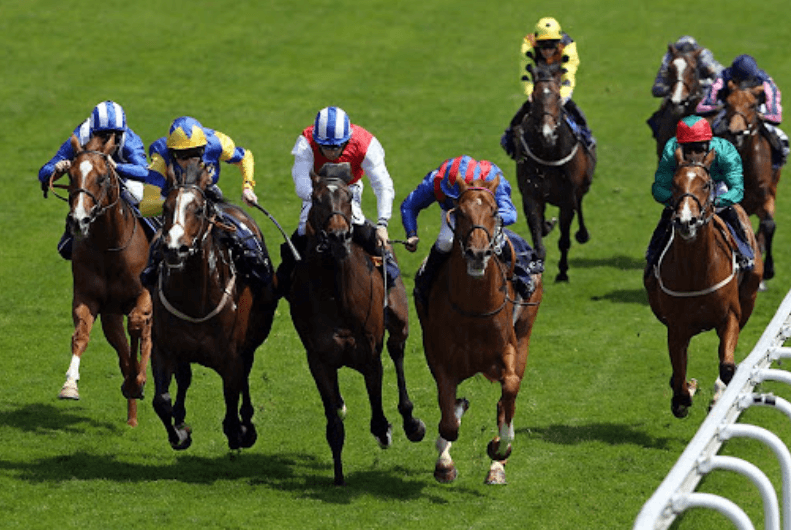
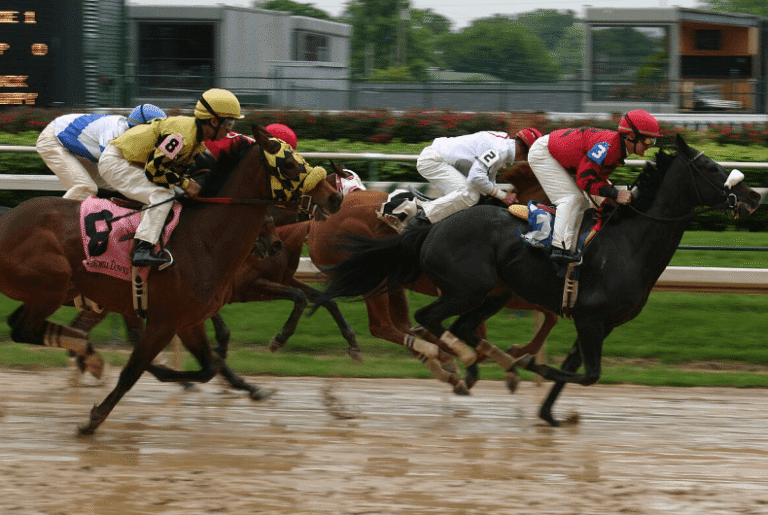
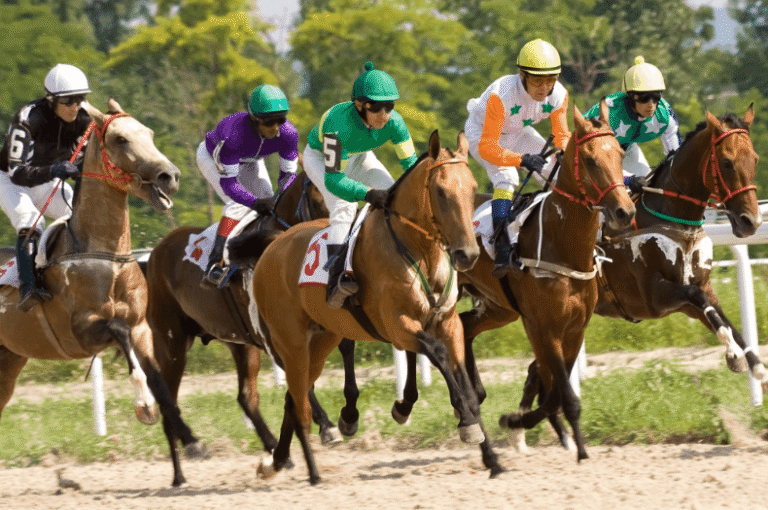
Horse racing, with its rich history and cultural significance, poses an intriguing question regarding its potential inclusion in the Olympics. While current equestrian events highlight the bond between horse and rider, the integration of horse racing presents unique challenges. Issues of athleticism, regulation, and public perception emerge as key considerations. Yet, the potential benefits, including heightened visibility and community engagement, warrant exploration. What might this mean for the future of both the sport and the Olympic movement?
The Historical Significance of Horse Racing
Although horse racing has evolved over centuries, its historical significance remains deeply embedded in various cultures and societies.
The sport’s historical evolution reflects societal values, economic structures, and leisure practices. In ancient civilizations, horse racing symbolized strength and nobility, while in modern times, it serves as a platform for cultural expression and community engagement.
Thus, horse racing continues to hold substantial cultural significance worldwide.
Current Olympic Equestrian Events and Their Structure
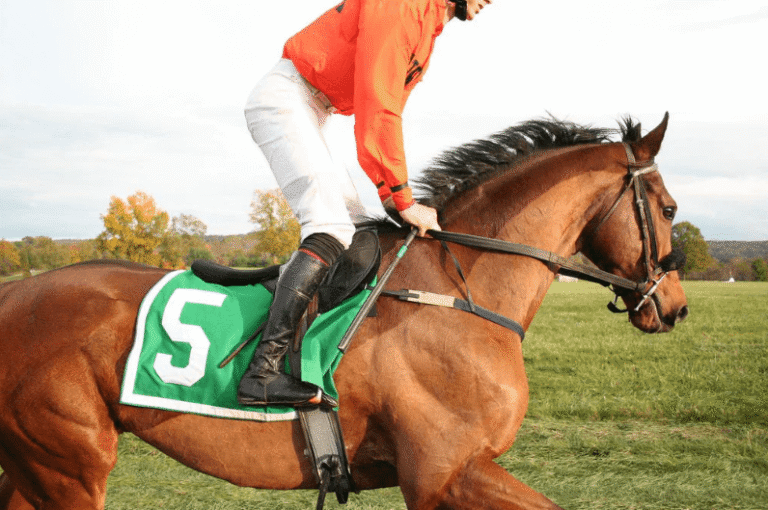
Equestrian events at the Olympics showcase a unique blend of athleticism, precision, and artistry, reflecting the deep bond between horse and rider.
The events are structured into distinct formats: dressage, show jumping, and eventing, each governed by specific competition rules.
These formats emphasize the riders’ skills and the horses’ capabilities, ensuring a captivating display of teamwork and mastery in the arena.
See also: Horse Racing and Its Relationship With Horse Breeding
Challenges of Integrating Horse Racing Into the Olympics
Integrating horse racing into the Olympic framework presents several significant challenges, particularly in aligning the sport’s inherent characteristics with the Olympic ideals of athleticism and competition.
Regulatory hurdles complicate governance and standardization, while cultural perceptions often view horse racing as less noble than traditional Olympic sports.
These factors create a complex landscape that must be navigated for successful integration into the prestigious Olympic tradition.
Potential Benefits and Impact on the Sport and Community
While the integration of horse racing into the Olympic Games may pose challenges, it also presents a unique opportunity to elevate the sport and foster community engagement.
The inclusion could attract new audiences, enhancing local interest and participation.
Furthermore, the event could provide an economic boost, benefiting businesses and creating jobs, thereby strengthening community ties and promoting a shared passion for equestrian excellence.
Conclusion
In conclusion, while the integration of horse racing into the Olympics presents a complex tapestry of challenges and opportunities, the potential rewards could be substantial. As the saying goes, “every cloud has a silver lining”; with thoughtful deliberation and strategic planning, the sport may not only enhance its own profile but also contribute positively to the Olympic experience. By bridging tradition and modern athletic ideals, horse racing could carve out a significant niche within the Olympic landscape.